
Trophectoderm Biopsy
Caring for Every Stage of Womanhood
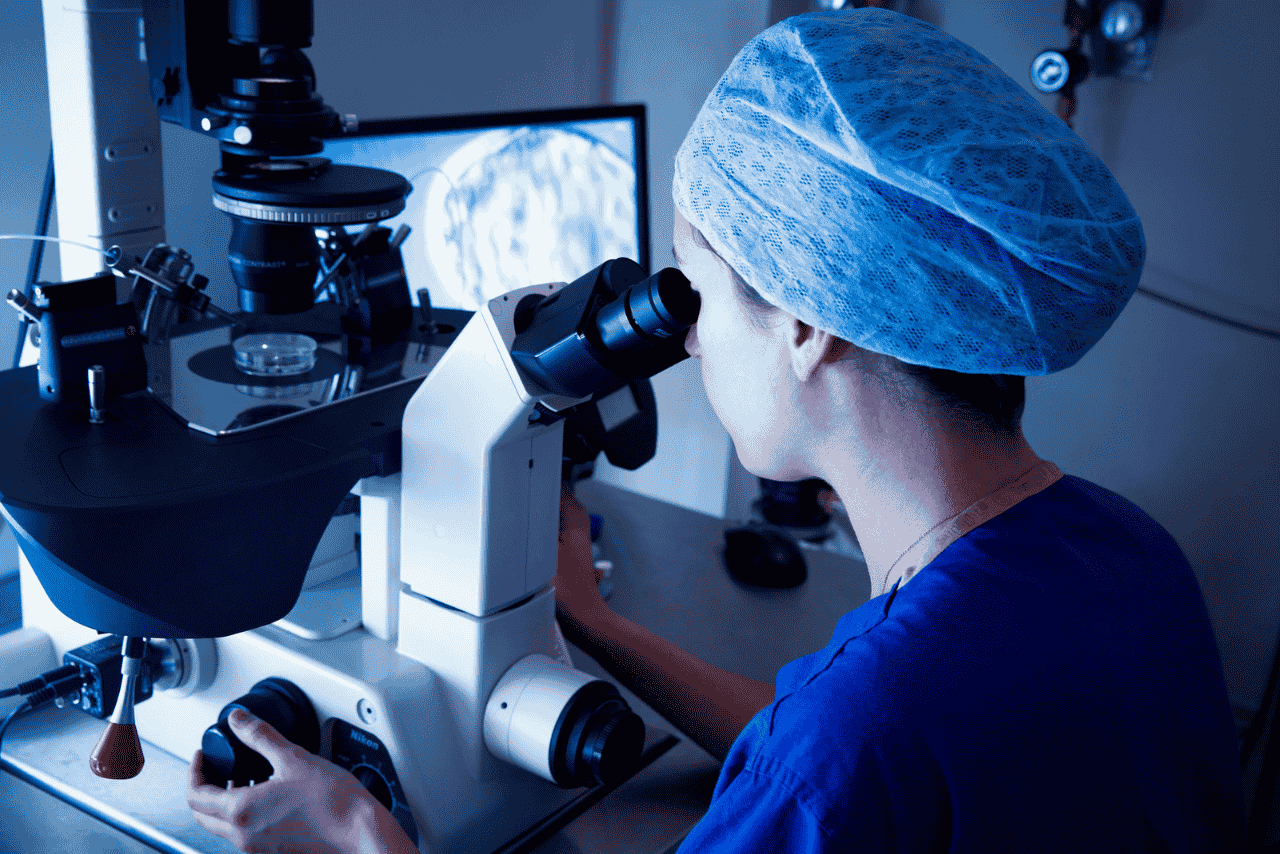
Trophectoderm Biopsy: Advanced Embryo Genetic Testing
What Is Trophectoderm Biopsy?
A trophectoderm biopsy is a sophisticated procedure used in Preimplantation Genetic Testing (PGT) during IVF. It involves carefully removing a few cells from the outer layer of a blastocyst (trophectoderm), which later forms the placenta. These cells are then tested for genetic abnormalities to help select the healthiest embryos for transfer.
Why Trophectoderm Biopsy Is Important
Trophectoderm biopsy helps improve IVF success by identifying embryos with the correct chromosomal makeup. It reduces the risk of miscarriage and increases the likelihood of a healthy pregnancy. It is particularly recommended for couples with recurrent implantation failures, repeated pregnancy loss, advanced maternal age, or known genetic concerns.
Expert Care with Avni Dr. Hema Reddy
At Avni Dr. Hema Reddy, the procedure is performed by highly skilled embryologists using advanced technology. Trophectoderm biopsy is carried out on day 5–6 blastocysts, ensuring minimal impact on embryo development. Genetic testing results guide the transfer of the healthiest embryos, improving the chances of successful pregnancy and a healthy baby.
Benefits of Trophectoderm Biopsy
Trophectoderm biopsy offers several advantages: it increases implantation success, improves embryo selection, reduces miscarriage risk, allows transfer of fewer embryos (minimizing multiple pregnancies), and provides couples with confidence during the IVF journey.
Send us a message
+91 9856463333
Kompally , secunderabad