If you are searching for menopause signs and symptoms, this complete guide will help you understand everything in a simple way. Whether you are in your 30s, 40s, or early 50s, knowing the facts can make the journey smoother and healthier.
What Is Menopause?
This is a natural biological process, not a disease. However, the hormonal changes—mainly a drop in estrogen and progesterone—can cause a variety of physical and emotional changes.
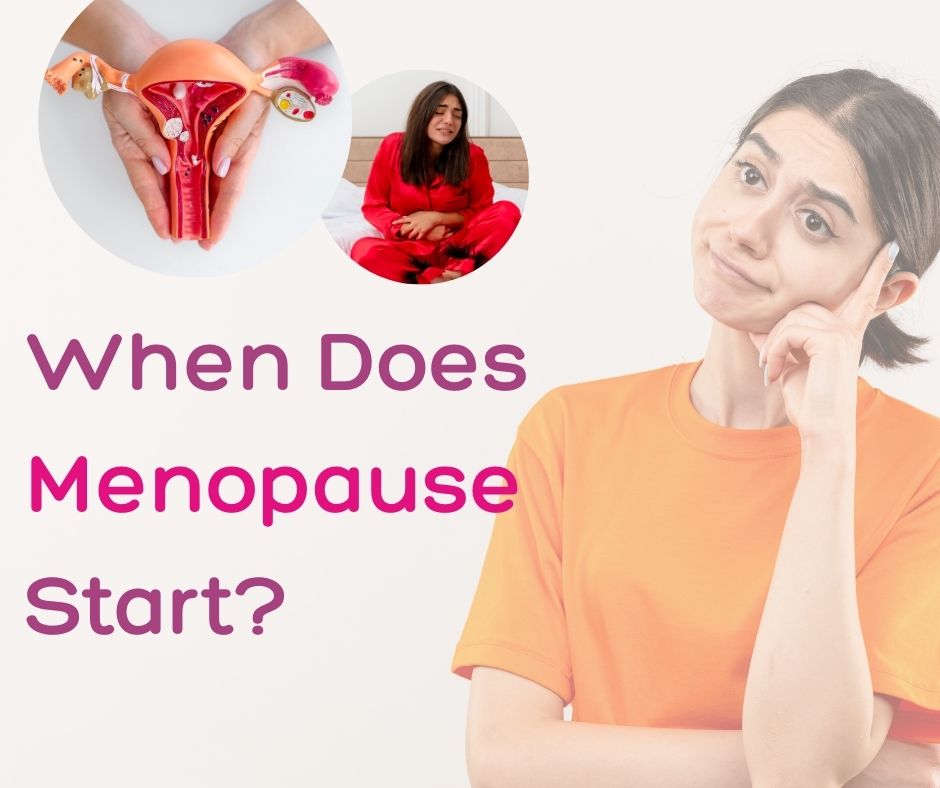
At What Age Does Menopause Usually Start?
The average age of natural menopause is around 45 to 55 years, with 51 being the most common age worldwide. But every woman is unique.
Here are some general timelines:
- Perimenopause (the transition phase) often begins between 40 and 45 but can start earlier or later.
- Early menopause may occur before age 40, sometimes due to genetics, medical treatments, or health conditions.
- Late menopause happens after age 55, which is less common.
It is normal for periods to become irregular before they stop completely. Some women experience changes for 4–8 years before reaching menopause.
Understanding the Stages of Menopause
Menopause is not a single day—it happens in stages. Knowing these can help you identify where you are in the journey.
1. Perimenopause (Menopause Transition)
This is the stage when hormone levels start to fluctuate. It may last several years.
Common experiences include:
- Irregular or missed periods
- Hot flashes and night sweats
- Mood swings
- Sleep disturbances
2. Menopause
This is confirmed after 12 months without a menstrual cycle. Hormone production from the ovaries drops significantly.
3. Postmenopause
This is the phase after menopause. Symptoms may ease for some women, but health risks like osteoporosis or heart disease may increase due to lower estrogen.
Menopause Signs and Symptoms
Every woman’s experience is different. Some have only mild changes, while others face more noticeable effects. Below are the most common menopause signs and symptoms explained clearly.
1. Irregular Periods
- One of the first signs of perimenopause.
- Periods may become shorter, longer, lighter, or heavier.
- Skipping months is normal before they stop completely.
2. Hot Flashes
- Sudden warmth spreading across the chest, neck, and face.
- Often followed by sweating and sometimes chills.
3. Night Sweats
- Hot flashes that occur during sleep, causing sweating and discomfort.
- May lead to insomnia and fatigue.
4. Mood Changes
- Irritability, anxiety, or mild depression can occur due to hormonal shifts.
- Stress and lack of sleep can make this worse.
5. Sleep Problems
- Difficulty falling asleep or staying asleep.
- Waking up too early or feeling restless at night.
6. Vaginal Dryness
- Reduced estrogen causes less natural lubrication.
- May lead to discomfort during intimacy or itching
7. Weight Gain and Slower Metabolism
- Hormone changes can increase fat storage, especially around the abdomen.
- Muscle mass decreases, making weight control harder.
8. Hair and Skin Changes
- Hair may thin or become dry.
- Skin may lose elasticity and moisture
9. Loss of Bone Density
- Lower estrogen affects bone health, increasing the risk of osteoporosis.
10. Memory or Concentration Issues
Some women experience mild forgetfulness or “brain fog.”
Not everyone will have all these signs, and their intensity varies.
Factors That Influence the Timing of Menopause
Several factors can affect when menopause begins:
- Genetics: Your mother’s age at menopause can give a clue.
- Smoking: Smokers often reach menopause 1–2 years earlier.
- Medical Treatments: Chemotherapy or radiation can trigger early menopause.
- Ovarian Surgery: Removal of the ovaries causes immediate menopause.
When to See a Doctor
While menopause is natural, certain symptoms may need medical attention:
- Heavy bleeding or bleeding after menopause
- Severe mood swings or depression
- Hot flashes disrupting daily life
- Sudden weight changes or extreme fatigue
A gynecologist or menopause specialist can recommend lifestyle changes or treatments like hormone replacement therapy (HRT) if needed.
Medical Treatments for Menopause Symptoms
If lifestyle changes are not enough, doctors may suggest:
- Hormone Replacement Therapy (HRT): Replaces estrogen and progesterone to relieve hot flashes and bone loss.
- Non-Hormonal Medications: Certain antidepressants or blood pressure medicines can reduce hot flashes.
- Vaginal Estrogen Creams: Help with dryness and discomfort.
Always discuss the benefits and risks with a qualified healthcare provider.
Beyond physical symptoms, menopause can affect emotional health. Some women feel sadness about the end of fertility, while others feel relief from monthly cycles.
Support from family, friends, or a counselor can help. Joining menopause support groups or online communities also provides comfort and shared experiences.
Menopause is a natural part of life, not an illness. Understanding the menopause signs and symptoms empowers you to prepare and manage changes with confidence.
If you notice irregular cycles, hot flashes, or other symptoms affecting daily life, consult a trusted gynecologist like Dr. Hema Reddy at Avni Birthnest Hospital for expert care and personalized guidance.
Remember, menopause is not the end—it’s a new beginning. With the right information, self-care, and medical support when needed, you can enjoy a healthy, vibrant life beyond menopause
Send us a message
+91 9856463333
Kompally , secunderabad